The sangeet has quietly become the most important night of an Indian wedding. Ask any couple planning a celebration in 2026 which function they are most nervous about, and it will almost always be the sangeet — not the pheras. The reason is simple: a sangeet is the one night where both families are performing, the entertainment is bespoke, and every guest is watching.
Done well, it becomes the memory the wedding is remembered by. Done poorly, it drags for three hours, dance routines collide with the buffet call, and the couple ends up on the dance floor at 1:30 am to a half-empty room.
This is the working framework we use with Elevate Experiences clients. It covers everything a family needs to think about — from picking a theme to running the last dress rehearsal.
What a Sangeet Actually Is (and Isn't)
Traditionally a sangeet was a women-only pre-wedding evening of songs and dholki. In 2026 the definition has expanded to mean the mixed-gender, choreographed, entertainment-led night that sits somewhere between the mehendi and the wedding day itself. Most couples now design the sangeet as the "party night" of the week — with a serious production budget, a live act or DJ, and eight to fifteen performances.
The key insight: a sangeet is a stage show, not a dinner with dancing. Every design and timing decision should follow from that.
Step 1 — Pick a Theme That Actually Constrains the Design
The most common mistake families make is picking a theme that means nothing on the ground. "Old Bollywood" or "A Night in Paris" reads well on a Save the Date and translates into generic florals and a photo booth on the venue floor. A useful theme is one that decides at least four things:
- The colour palette (down to two accent colours).
- The dress code for guests.
- The musical direction of the choreography.
- The décor language — florals, lighting, stage design, and entrance.
Themes we've seen work brilliantly in 2026:
- 90s Bollywood retro — teal, hot pink, mirror-ball lighting, guest dress code in disco satin, playlists heavy on Karisma Kapoor and Govinda.
- Rajasthani royal night — deep maroon, gold, mashaals, folk musicians opening the evening before the DJ takes over.
- Monochrome midnight — all-black dress code for guests, one accent colour (silver, ivory, or emerald), minimal florals, heavy lighting design.
- Great Gatsby — champagne and gold, Art Deco stage backdrop, live jazz band as opener.
Step 2 — Lock the Timeline Before the Choreographer
Almost every sangeet runs over. The fix is to build the run-of-show backwards from the last performance, not forwards from the guest entry.
A workable 2026 sangeet timeline:
| Time | Segment |
|---|---|
| 7:30 pm | Guest entry, welcome drinks, cocktail bar opens |
| 8:15 pm | Guests seated, opening act (live band, folk artist, or MC intro) |
| 8:45 pm | First block of family performances (four to six acts) |
| 9:45 pm | Dinner opens, sangeet paused |
| 10:45 pm | Second block of performances (three to five acts) |
| 11:30 pm | Couple's performance and family finale |
| 11:45 pm | Open floor, DJ takeover |
| 1:30 am | Wind-down, dessert station, guest exit |
Two rules:
- No single performance runs longer than four minutes. Guests lose attention past that.
- Never programme more than six performances in a row without a break.
Step 3 — Choreography That Doesn't Embarrass Anyone
Choreography is where most sangeets are won or lost. The families that have the best sangeets treat it like a stage production, not a home movie. That means:
- Hire a professional choreographer eight to ten weeks before the wedding. In 2026, top choreographers in Delhi and Mumbai are booking three months out for peak season weddings.
- Cap the number of performances at fifteen. Beyond fifteen, guests check out and the run-of-show breaks.
- Group family members into ensemble performances. Solo performances by anyone who isn't the bride or groom rarely land — a group of six cousins on stage is always better than one uncle in a solo.
- Run at least two full-dress rehearsals. One at the choreographer's studio, one on-site the day before the sangeet with sound and lighting.
Step 4 — Design the Stage Before the Room
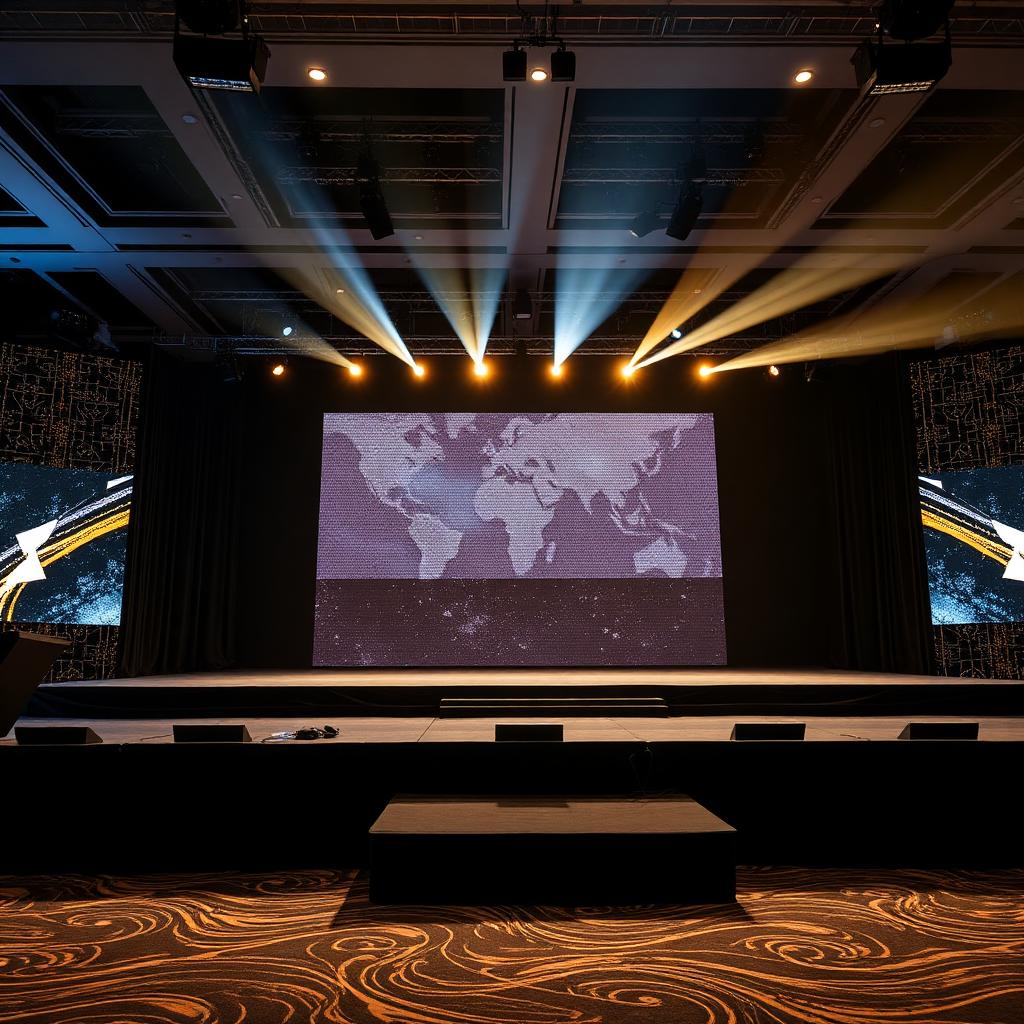
A common décor mistake is to design the room beautifully and treat the stage as an afterthought. The stage is the one visual every guest will look at for three hours — it needs to work as a photograph from every angle in the room.
Non-negotiables for a 2026 luxury sangeet stage:
- Minimum stage depth of twelve feet — anything shallower kills group choreography.
- A backdrop that is either a live LED wall, a floral installation, or a lit architectural set piece. Printed backdrops read cheap in high-resolution photography.
- Wing entries on both sides — performers should never enter from behind the audience.
- Dedicated stage lighting rig — front spots, side wash, and back rim lighting. The venue's built-in lights are almost never enough.
Step 5 — Sound, Lighting, and the Technical Rider
Most sangeet disasters are technical. Someone's playback file didn't upload, the microphones cut mid-performance, or the DJ can't find the couple's entry track. The fix is a proper technical rider — a single document that lists every performance, its music file, its lighting cue, and the entry / exit direction. Send it to the sound engineer, the lighting designer, and the choreographer at least seven days before the sangeet.
A rough technical brief looks like:
- Two wireless handheld mics for the MCs.
- Four wireless lapel mics for opening speeches.
- Playback system with a dedicated operator, not the DJ.
- Lighting cue sheet matched to every performance.
- One redundant backup laptop with all playback files.
Step 6 — Guest Experience Around the Performances
The sangeet is a show, but guests are also eating, drinking, and socialising. Design decisions that consistently work:
- Cocktail hour before the show, not during. Guests should be seated and attentive for the opening act. Extended cocktail time before dinner kills the show's energy.
- Two seating zones. Front rounds and lounge cluster seating for the immediate family and close friends, cabaret-style seating with a clear stage view for extended guests.
- Late-night stations, not another buffet. Once the DJ takes over, guests want a chaat station, a tea and pakora corner, or a live gelato cart — not another sit-down meal.
- Dedicated photographer for the stage. Wedding photographers who cover the whole room miss the tight performance shots. Assign one photographer to shoot only the stage.
Common Mistakes to Avoid
After hundreds of sangeets, the same five mistakes come up:
- Too many performances. Cutting from eighteen to twelve almost always improves the night.
- Family performances that go untranslated. If half the guests don't speak Hindi or Punjabi, add an English MC or projected lyric translations.
- Running the sangeet on the wedding day itself. Even a lunchtime pheras with an evening sangeet leaves no recovery time. Give the sangeet its own dedicated night.
- Booking the DJ before the live opener. The live opener sets the energy for the whole night — cast that first, then find a DJ whose style matches.
- Skipping the on-site rehearsal. The dress rehearsal in a studio doesn't reveal that the stage is too shallow, the wings aren't lit, or the sound system is one channel short.
What a 2026 Sangeet Costs
Excluding the wedding planner's fee, a fully produced sangeet night for 400 guests in India in 2026 typically costs between ₹35 lakh and ₹1.2 crore. The main drivers:
- Décor and stage design: ₹12–40 lakh
- Choreographer and rehearsals: ₹4–10 lakh
- Live opener (band, folk troupe, celebrity performer): ₹5–35 lakh
- DJ and sound: ₹3–8 lakh
- F&B: ₹8–25 lakh
- Photography and video: ₹3–6 lakh
A celebrity performer can easily add another ₹40 lakh to ₹2 crore, but it's rarely money well spent unless the guest list is designed around them.
The Sangeet Is the Wedding Guests Remember
Guests forget the pheras. They forget the reception menu. They almost never forget a great sangeet — the moment the couple performed together, the choreography that made everyone stand up, the lighting cue that hit exactly on the drop.
Treat the sangeet as the flagship function of the wedding week, not an add-on. Cast the opener first, lock the timeline second, and build every other decision — décor, catering, seating — around what the show needs to look like from the audience. That single shift is what separates the sangeets people talk about for years from the ones that fade with the last dance.
— Frequently Asked
Questions answered
+
+
+
+
+
Founder, Elevate Experiences — luxury weddings and events across Delhi, Udaipur, Goa and international destinations.